English


The Traditional View: Surgery as the “Definitive” Solution
Decompression surgery has long been considered the gold standard for lumbar spinal stenosis, especially in patients with neurogenic claudication. Early large studies suggested that surgery could provide faster symptom relief compared to non-operative care.
However, even these studies acknowledged a critical limitation: there was limited high-quality evidence proving surgery was superior to conservative treatment in controlled trials
What the Evidence Shows Today
1. Exercise Delivers Comparable Outcomes to Surgery
A landmark randomized controlled trial comparing surgery with physical therapy found:
- Similar improvements in physical function after 2 years
- Surgery: +22.4 improvement score
- Physical therapy: +19.2 improvement score
Other high-level evidence confirms this:
- No significant difference in pain and disability outcomes between surgery and exercise
- Systematic reviews show exercise therapy trends toward equivalent effectiveness compared to surgery
In simple terms:
Patients often get just as good results without surgery.
2. Exercise Improves Function, Mobility, and Walking Capacity
Modern rehabilitation goes beyond general exercise. Evidence shows that targeted, supervised programs can:
- Improve walking distance and tolerance
- Reduce pain and symptom severity
- Enhance functional independence
A large randomized clinical trial found that manual therapy combined with individualized exercise produced:
- Better short-term improvements than medical care or group exercise
- Significant gains in walking capacity and function
More recent meta-analyses (2026) confirm that multimodal care (exercise + manual therapy + education) is one of the most effective non-surgical strategies available.
3. Surgery Does Not Address the Root Cause
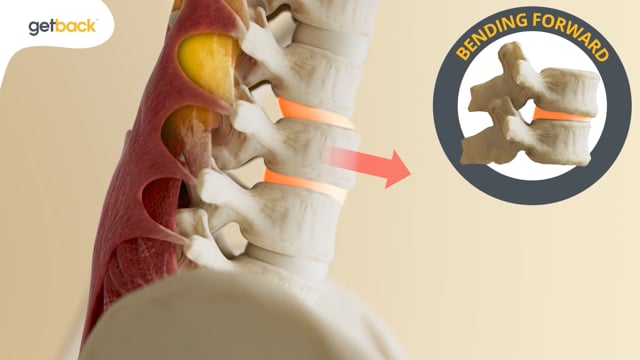
Lumbar stenosis is not just a structural problem, it is also a functional and neuromuscular issue.
Surgery may relieve compression, but it does not:
- Restore muscle strength
- Improve spinal control
- Correct movement patterns
- Enhance mobility or posture
Exercise therapy, on the other hand, directly targets these factors:
- Strengthening stabilizing muscles
- Improving range of motion
- Enhancing neuromuscular control
This is why even after surgery, rehabilitation is still required
4. Lower Risk, Lower Cost, Better Accessibility
Surgery comes with inherent risks:
- Infection
- Reoperation
- Complications in older populations
Exercise therapy offers:
- Minimal risk
- Lower cost
- Scalable, repeatable treatment pathways
And importantly:
it can be started immediately, without waiting lists or invasive procedures.
5. Not All Patients Need Surgery
Evidence consistently shows that:
- Surgery is typically elective, not urgent
- Conservative care should be the first-line treatment
- Many patients improve significantly without ever needing surgery
Even studies that favor surgery acknowledge that exercise provides meaningful functional improvements, especially while patients are waiting or avoiding surgery.
What This Means for Clinical Practice
The question is no longer:
“Should we operate?”
But rather:
“Have we fully optimized conservative care?”
High-quality, structured exercise therapy, especially when standardized, measurable, and individualized, should be:
- First-line treatment
- Core component of care pathways
- Outcome-driven and data-supported
The Role of Technology in Modern Exercise Therapy
This is where advanced systems like DAVID Exercise Therapy redefine conservative care.
By combining:
- Controlled, safe movement
- Objective strength and mobility measurements
- Individualized progression
- Data-driven outcomes
clinics can deliver hospital-grade rehabilitation without surgery.
This transforms exercise from a “generic recommendation” into a precise medical intervention.
Conclusion: A Paradigm Shift in Spine Care
The evidence is clear:
- Exercise therapy is as effective as surgery for many patients
- It carries less risk and lower cost
- It addresses the true functional drivers of pain and disability
Surgery still has its place, particularly in severe or progressive neurological cases.
But for the majority of patients with lumbar spinal stenosis:
Exercise is not the alternative. It is the foundation.