English


Targeted Training for Shoulder Stability
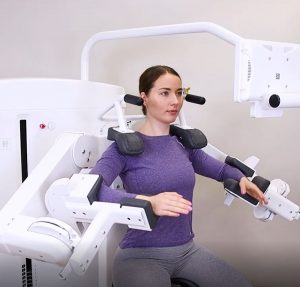
The shoulder is a highly mobile joint, but this mobility makes it inherently unstable. Rotator cuff muscles, along with surrounding stabilisers, play a crucial role in keeping the shoulder joint aligned and functional. The DAVID devices allow patients to perform isolated external and internal rotation movements in a controlled manner, directly targeting these critical stabilising muscles. This precision helps restore shoulder balance, reducing pain and preventing recurrent injuries.
Safe, Controlled Range of Motion
A key challenge in shoulder rehabilitation is ensuring that patients do not overload the joint or compensate with incorrect movement patterns. DAVID’s biomechanically optimised machines guide the arm through a safe, anatomically correct range of motion, with adjustable resistance tailored to each patient’s capacity. This ensures gradual progression without unnecessary strain, which is particularly important after surgery or during early recovery phases.
Objective and Measurable Progress
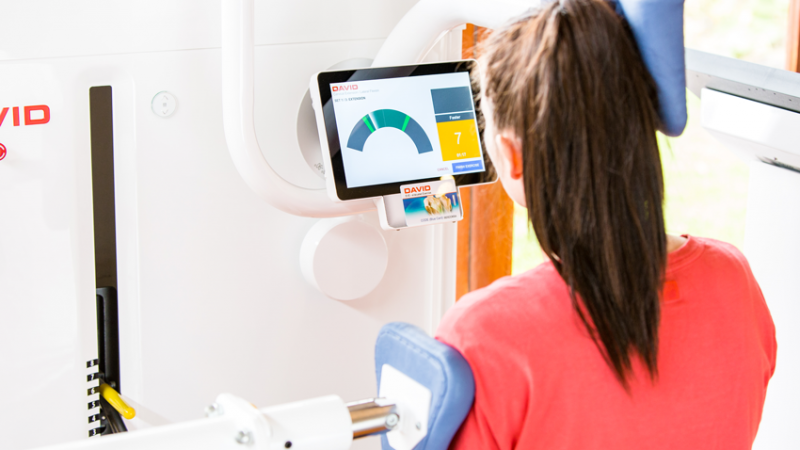
With integrated EVE software, therapists can track range of motion, strength, and endurance improvements over time. This not only helps tailor individualised therapy plans but also motivates patients by showing measurable progress. For clinicians, this data provides objective outcomes to evaluate treatment effectiveness and adapt protocols when necessary.
Pain Reduction Through Balanced Strengthening
Many shoulder problems arise from muscle imbalances, for example, dominance of the internal rotators combined with weak external rotators. The DAVID devices allow targeted correction of these imbalances. By strengthening the weaker muscle groups in isolation, the devices help restore optimal shoulder mechanics, which can reduce pain and improve function in daily activities and sports.
Comfort and Accessibility for All Patients
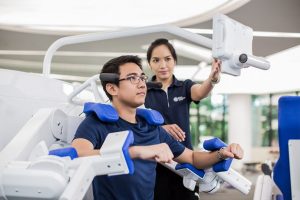
The ergonomic design of the DAVID devices ensures that patients of all ages and fitness levels can train comfortably. Adjustable seating, secure stabilisation, and intuitive interfaces reduce barriers for elderly patients or those with limited mobility, making the equipment suitable for a wide range of clinical and preventive applications.